Festival Tours

A trip planned
around three days
in a courtyard.

Tshechus aren't performances put on for tourists — they're religious festivals that happen to be the most beautiful three days in Bhutan's year. Book nine to twelve months ahead. Front-row seats and dzong-side hotels are limited, and they go first.

We're refreshing this catalogue. In the meantime, write to us and we'll build a trip from scratch.

Bhutan festivals

The Tshechu —
three days in a courtyard.

Seven things to know about Bhutan's festival calendar — from the giant Paro Tshechu to the smaller valley festivals. Scroll through.

What a Tshechu is

What a Tshechu is

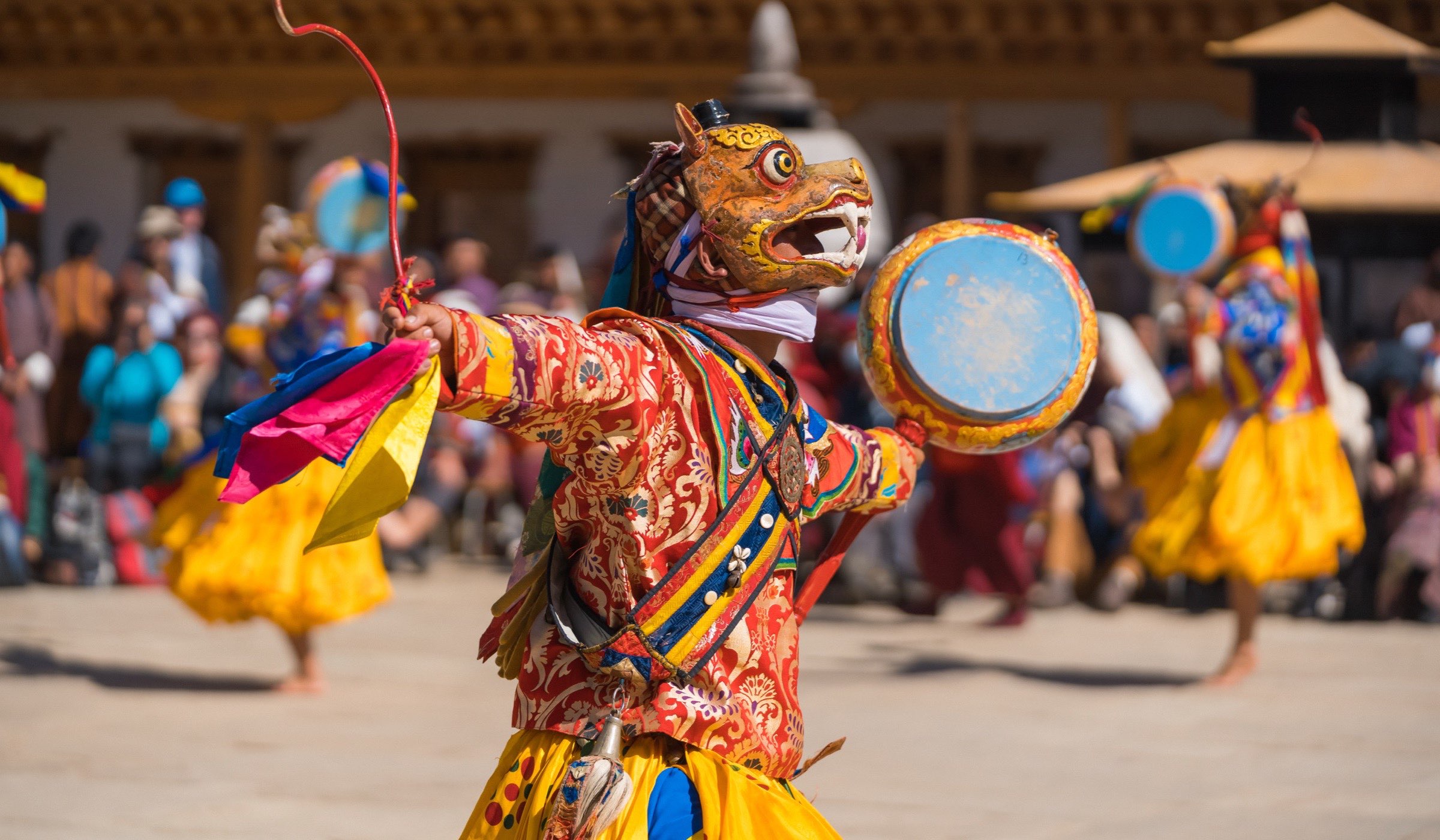
A Tshechu — literally "tenth day" — is a religious mask-dance festival held in the courtyard of every major dzong, on dates fixed by the Bhutanese lunar calendar. It's a public commemoration of the deeds of Guru Padmasambhava, the 8th-century saint who brought Vajrayana Buddhism to Bhutan.

These aren't performances put on for tourists. They're working religious rituals, attended by entire villages dressed in their best gho and kira, with the dances themselves believed to bless those who watch. Tourists are welcome; the calendar is the calendar.

Every Tshechu runs three to five days. Major ones — Paro, Thimphu, Punakha — pull tens of thousands of pilgrims. Smaller valley Tshechus might have a couple of hundred. We can put you at either, depending on what you want.
The Cham dances

The Cham dances

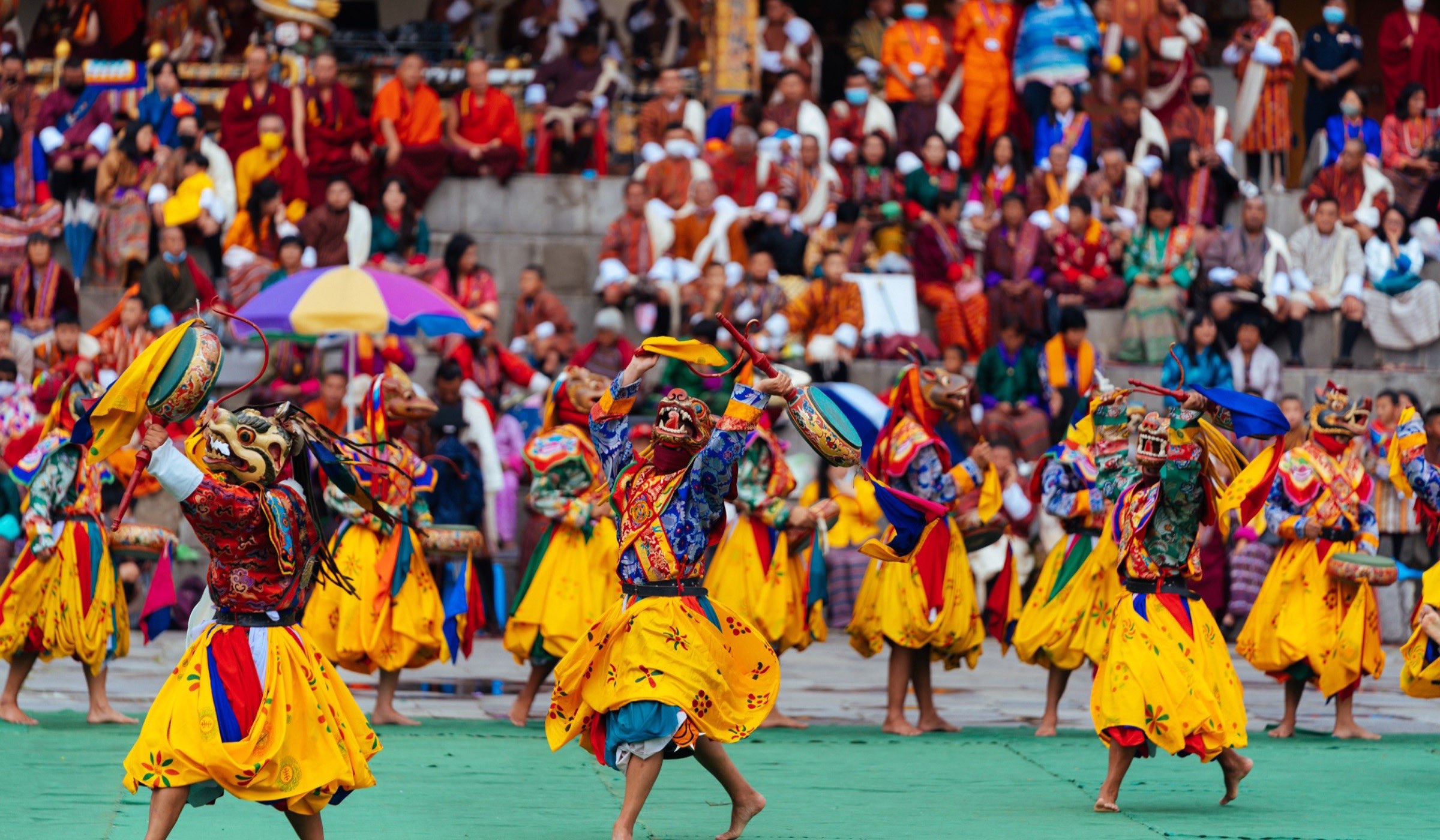
Cham is the name for the choreographed masked dances at the heart of every Tshechu. Performed by monks in hand-stitched silk costumes and carved wooden masks, each dance is a Buddhist parable — the triumph of compassion over ignorance, the binding of demons, the offerings to wrathful deities.

There are typically twelve to twenty different Cham across the festival. The Black Hat dance — Shanak — opens proceedings; the dance of the Lords of the Cremation Grounds is the most photographed; the Atsaras (clowns in red masks) move among the crowd between dances, often teasing children and tourists alike.

A good guide can read each dance for you — who's being subdued, what the colour of the mask signifies, why a particular gesture matters. Without that context you watch costumes; with it you watch a thousand-year-old story unfold.

The Thongdrol

The Thongdrol

The final morning of most major Tshechus, before sunrise, the monastery unfurls a thongdrol — a giant appliquéd thangka, sometimes twenty-five metres across, depicting Guru Padmasambhava and his eight manifestations. The word means "liberation upon sight".

Believing simply looking at it brings spiritual merit, pilgrims gather in the dark hours of pre-dawn, prostrating themselves in the courtyard as the thongdrol is lowered down the dzong wall. Most travellers describe it as the moment of the trip they remember most.

The thongdrol is shown for only a few hours — typically rolled back up by 9 a.m. so it's not exposed to direct sunlight. Front-row seats matter; we book them nine to twelve months ahead.

Paro Tshechu

Paro Tshechu

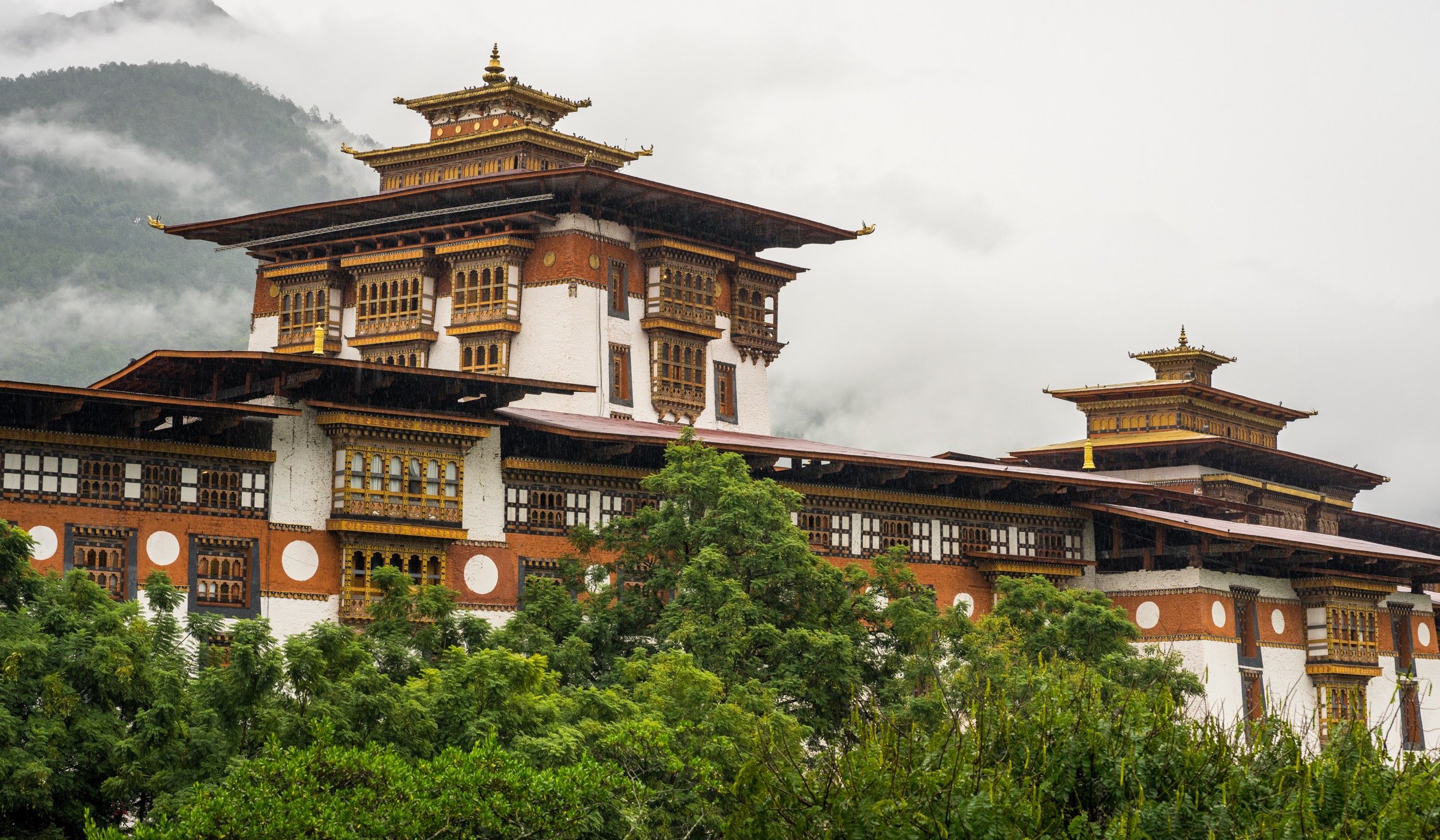
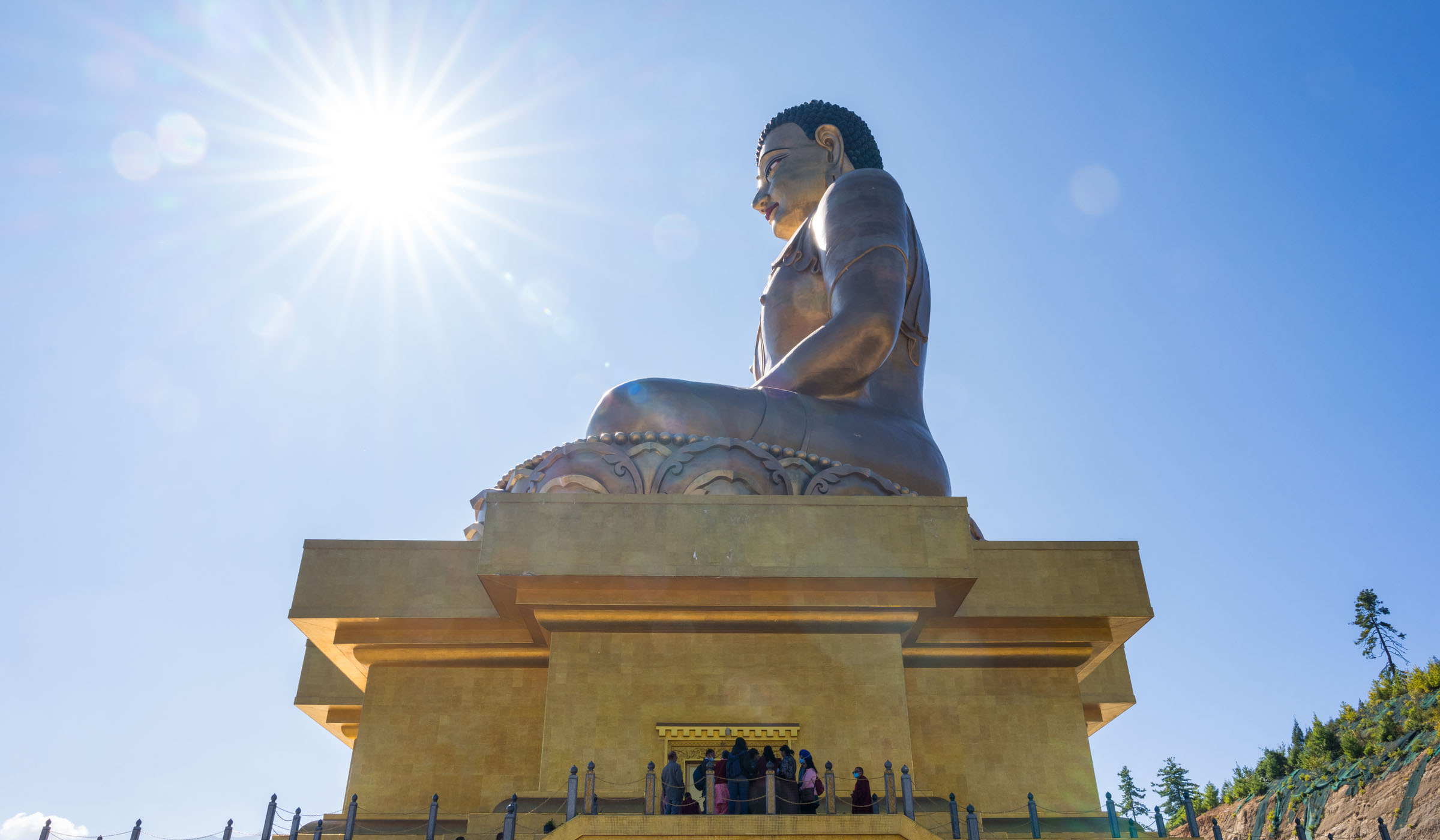
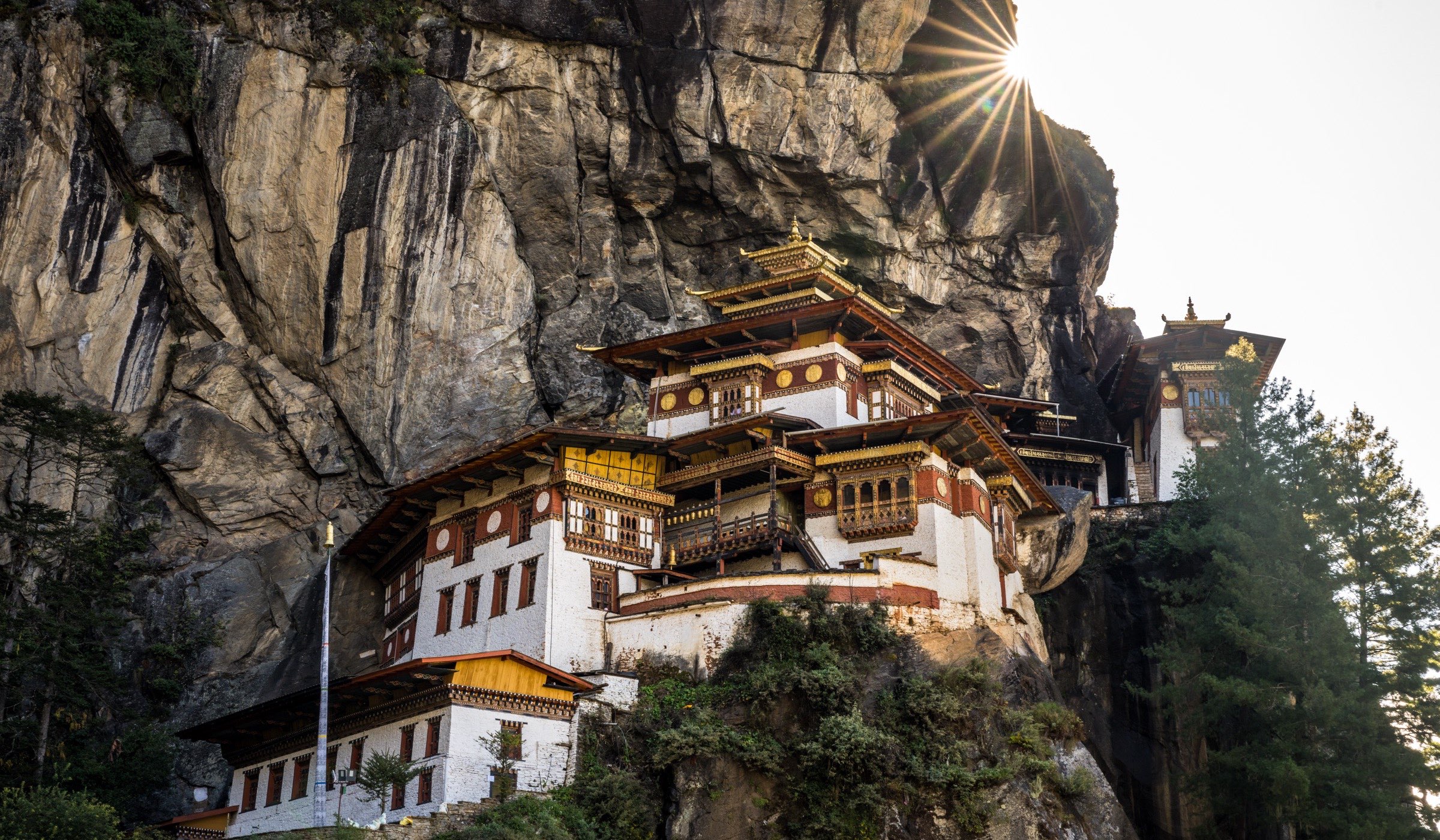
Held in the courtyard of Rinpung Dzong in late March or early April, Paro Tshechu is the most photographed festival in the country and the easiest to combine with a Tiger's Nest hike. Five days, large crowds, a thirty-metre thongdrol on the final morning.

The dzong sits above the Paro Chhu river; the courtyard is intimate enough that even the back rows have a clear line of sight to the dance circle. Hotels nearby — Tashi Namgay, Olathang, Naksel — book out twelve months in advance. We always start there.

If you can only see one Tshechu in your life and you want it photogenic, easy to combine with the rest of western Bhutan, and in walking-weather, Paro is the answer.

Thimphu Tshechu

Thimphu Tshechu

Held over three days in early September in the courtyard of Tashichho Dzong — seat of the King's government and the Chief Abbot — Thimphu Tshechu is the most attended festival in Bhutan, drawing pilgrims from every district across all five days.

The crowd is bigger than Paro, the dancers are the senior monks of the central monastic body, and the energy is more formal. The court itself is paved and large; pavilions are erected for invited dignitaries. The Black Hat dance here is famously the most precise.

Best paired with the smaller Wangdue Phodrang Tshechu, which runs the same week one valley east — most travellers do Thimphu for two days, drive over Dochula Pass, and finish the cycle in Wangdue's quieter courtyard.

Smaller festivals worth chasing

Smaller festivals worth chasing

Punakha Drubchen (Feb) is a war re-enactment — pa-zups, traditional militiamen in helmets and breastplates, charge the courtyard. It's followed three days later by the Punakha Tshechu, so you can catch both in a single trip.

Jambay Lhakhang Drup in Bumthang (Oct) is the most spiritual of the calendar — fire dances at midnight, naked dances before dawn, and a thongdrol unfurled at the oldest temple in the country.

Black Necked Crane Festival in Phobjikha (Nov) is the youngest and the gentlest — local school children performing crane dances to welcome the migrating birds back from Tibet. Different in feeling from the others; lovely.

Booking a festival trip

Booking a festival trip

Reserved seating, dzong-side hotels and the right guide are the three things that decide whether a Tshechu trip is memorable or frustrating. All three are limited; all three are booked first by repeat operators and then by travel agents.

We start nine to twelve months ahead. Six months out, dzong-side hotels are already full for Paro Tshechu and Jambay Lhakhang Drup. Three months out, you're looking at the next valley's hotel and a forty-minute drive each morning to your seat.

Send us your preferred festival and we'll send back the realistic options — which year is bookable, which hotel, which guide is free that week, what the front-row pricing looks like. Within 24 hours.

Plan Your Trip

Don't see your trip?
Tell us the one you'd take.

Most of our work is built from scratch. Send a sentence — when you'd come, who's travelling, what you care about — and we'll draft an itinerary in 48 hours.

  • Free itinerary design · You pay only when you confirm
  • Real Bhutanese guides · Licensed by the Department of Tourism
  • Private trips only · No groups, no shared transfers